What It’s Really Like to Work at a Remote Social Impact Company
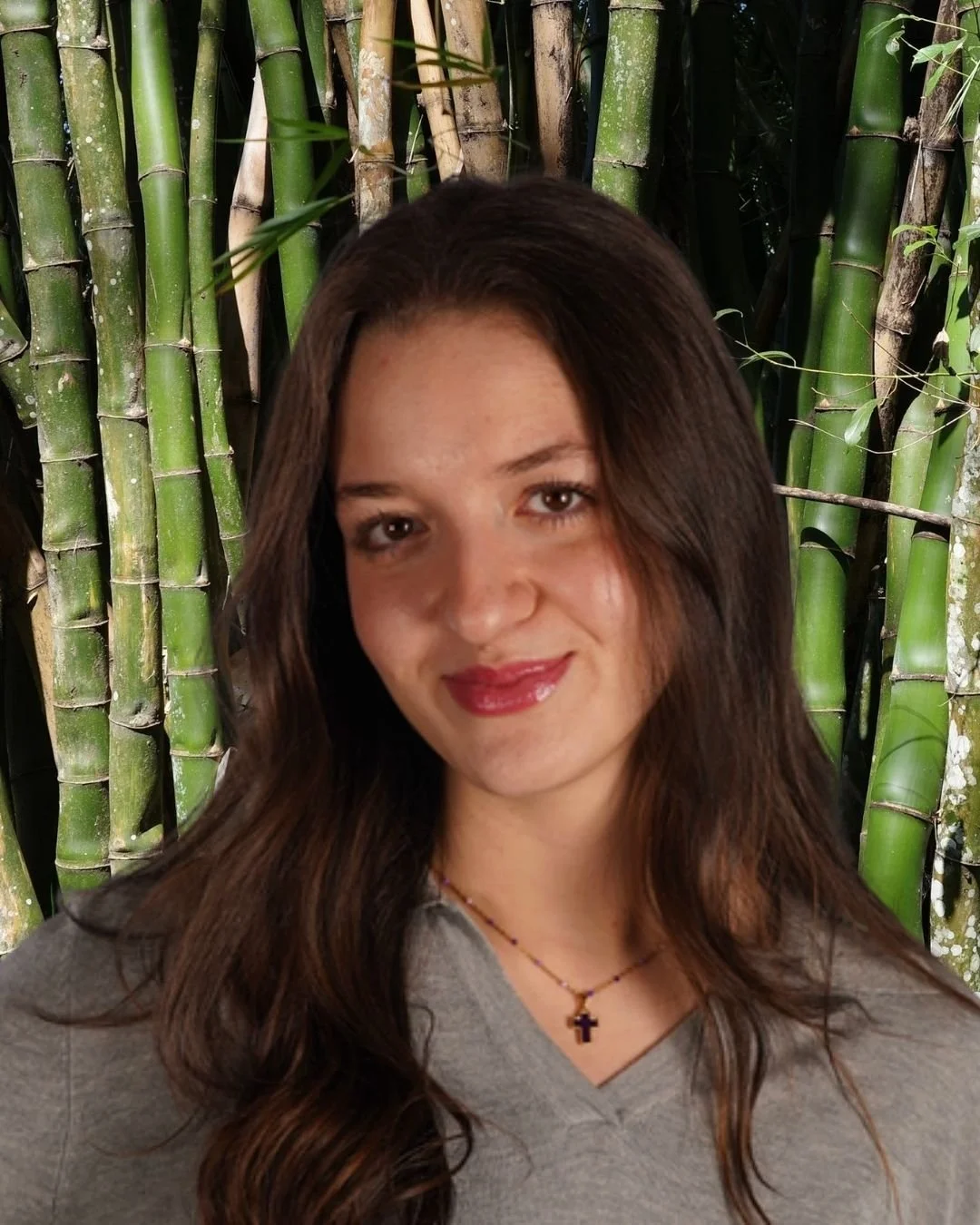
If you've ever wondered what it's actually like to work at a remote social impact company, you're not alone. A lot of students entering purpose-driven careers imagine it looks like one thing, and then find out it looks like something else entirely. According to the Gallup Indicator: Hybrid Work report, the majority of remote workers say flexibility is the single biggest benefit of their arrangement, but few talk about what that looks like inside a mission-driven organization specifically. We sat down with Isabella Moreno, a Program Manager at Emzingo|U, to find out what her day actually looks like, what surprised her most about this kind of work, and what she'd tell a student considering the same path. If you're already curious about the kind of programs she helps design, explore Emzingo U's leadership programs first, then come back here for the behind-the-scenes story.
Why Purpose-Driven Remote Work Is Having a Moment
Remote and hybrid work now represent a significant majority of the global workforce, with approximately 27% of employees working fully remotely, and students are increasingly drawn to roles that combine flexibility with meaningful work. But there’s a gap between wanting both and actually knowing what that combination looks like day to day.
Social impact careers have historically meant NGOs, field work, or nonprofit offices. What's changed is that companies like Emzingo U are proving that you can run genuinely impactful programs, designing experiences that change how students and organizations understand social challenges, without being tied to a single office or location. The question students are actually asking is not whether remote social impact work exists. It is whether it works, and whether it's right for them.

What Remote Social Impact Company Culture Actually Looks Like
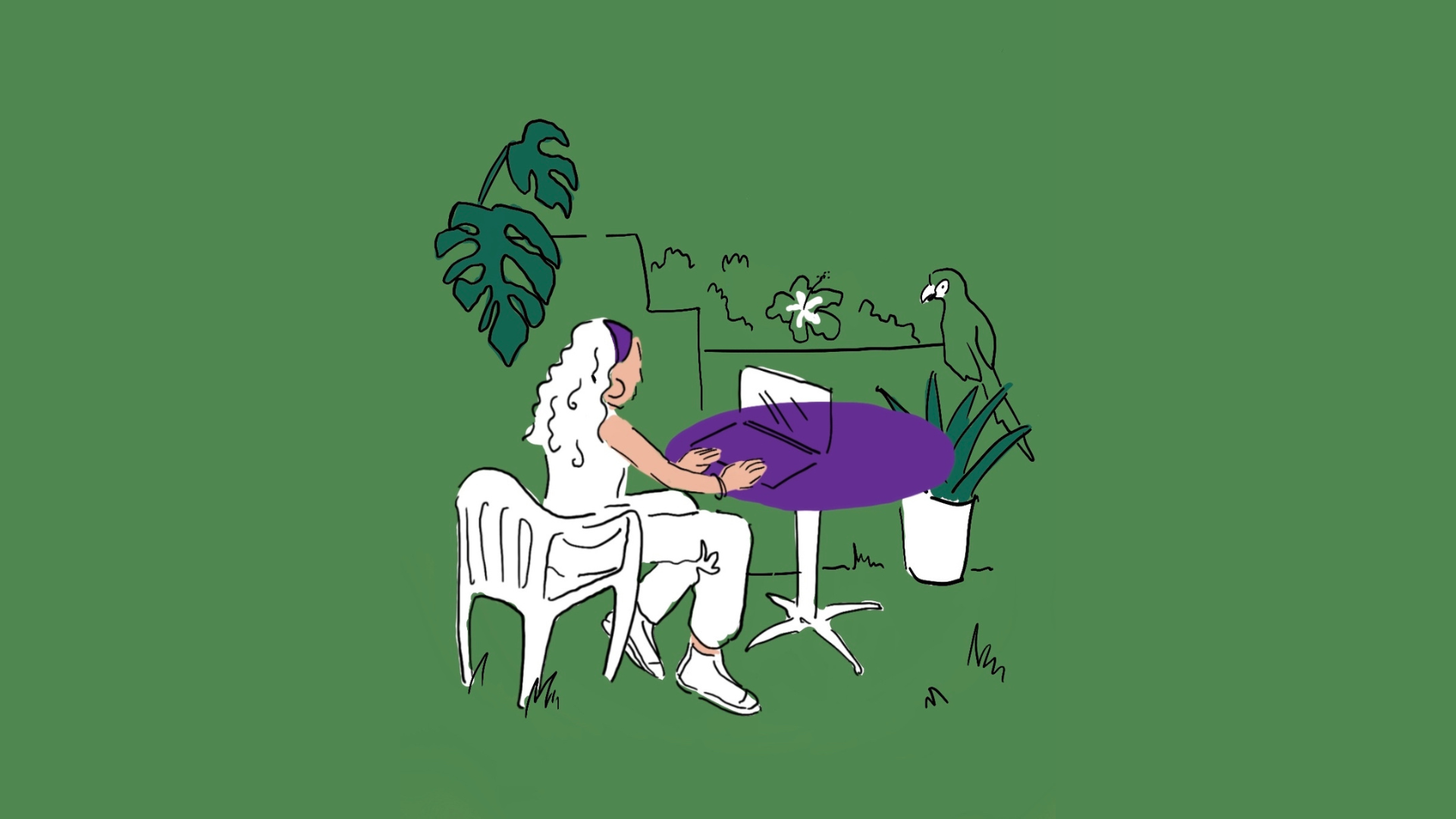
We asked Isabella what a typical remote day actually looks like. “Working remotely at Emzingo is very easy-going. Other than meetings we don't really have any strict hours that we have to be logged on.”
That flexibility isn't accidental. It reflects a deliberate approach to remote social impact company culture: trust people to manage their own time, measure output over presence, and recognize that good work doesn't require a commute. For Isabella, who lives far from the center of Madrid, that's a practical advantage too. "I feel like I'm more efficient in my work when we work online because I don't spend half my day commuting."
Here's what that remote rhythm actually involves, broken into its two distinct phases:
During program preparation (the remote phase)
Designing program content, logistics, and partner communications from home
Regular team check-ins to stay aligned on who is doing what
Flexibility to structure the day around deep work, since there are no fixed hours outside of meetings
Staying connected to the mission even when the impact isn’t yet visible
During program delivery (the in-person phase)
Shifting to a logistics-first mindset: checking off daily tasks across many moving parts
Managing external factors and coordinating team roles in real time
Being physically present with students and field partners
The contrast between the two is sharper than most people expect. “When it’s remote it’s a lot easier to remember who’s doing what and we meet regularly so we’re always up to date," Isabella explains. “During a program it's really just making sure that the daily to-dos are being checked off. There are a lot of them because there are a lot of moving parts.”
Working remotely for a mission-driven company, in other words, isn’t one consistent experience. It's two different jobs that feed into each other.
What This Looks Like When It Matters Most
The part of Isabella’s role that surprised her most wasn't the remote side. It was the moment she saw what the programs actually produced.
“Before I started I had no idea how much impact our work actually had on people. After having designed multiple programs and seeing firsthand how much impact our programs can generate for NGOs, social enterprises and the people who truly benefit from this type of work, I was surprised by how much these programs can actually help both the students involved and the NGOs.”
That shift, from designing something remotely to watching it create real change in person, is what makes careers at a remote social impact company different from most remote roles. The screen-based prep work isn’t abstract. It has a face, and a moment where you see it.
“Seeing how engaged students are. I have met some really cool people from many different universities who really have a knack for social impact. Since they tend to have very diverse backgrounds it's cool to see how they tackle challenges and how much effort and love they put into their work. That kind of thing is hard to see from behind a screen.”
If you want to see what those programs look like from the student side, explore Emzingo U's field-based leadership programs. If you're interested in the companies and field partners students work with, see the organizations our students have partnered with on our Impact page.
Frequently Asked Questions
Is working remotely at a social impact company right for everyone? Not necessarily, and Isabella is honest about that. Her advice: “Working remotely is definitely not for everyone but I do think it’s good to try it out first before deciding. Organize yourself and your time really well, because then you have time for a healthy work-life balance without sacrificing the quality of either one.” Remote work generally boosts focus and efficiency by eliminating commutes and office distractions. The flexibility is real, but so is the self-discipline it requires.
How do you stay connected to the mission when you're working remotely? For Isabella, the answer came after her first program. “After having experienced the first program I helped design, I think that's what taught my brain that the work we do is really impactful. Ever since that first program I've always known that the work we do is worth it even when the programs aren't actually taking place yet.” The mission becomes concrete once you've seen it in action, and that memory carries you through the remote phases.
What’s the hardest part of this kind of work? “When a program ends and we end up becoming attached to some of the students, it's a little sad because it's a goodbye. The programs fly by way too fast. But without the programs we wouldn't have met all the students nor would we have the impact that we do with the field partners.” The hardest part is the same as the best part, just seen from the other side.
What does a career at a remote social impact company actually involve day to day? A mix of independent remote work during the design and prep phase, regular team check-ins, and intensive in-person program delivery when the work goes live. The ratio depends on the program calendar, but both phases are essential and genuinely different experiences.
The Takeaway
Working at a remote social impact company isn’t one thing. It’s the discipline of doing careful, behind-the-scenes work from home, and then watching it come alive in a room full of students who show up with everything they have. If you’re a student considering this kind of career, the question isn’t whether you can work remotely. It’s whether you’re motivated enough by the mission that the remote phases feel worth it, because you've seen, or can imagine, what comes after.
If Isabella’s experience sounds like something you’d want for yourself, the best place to start is understanding the programs that make it possible. Explore Emzingo|U’s leadership programs to see the kind of work you’d be helping design.